
Introduction
In a busy life our nervous system can become overloaded. Stress, lack of sleep and constant expectations can affect how we feel, both physically and mentally. That’s why we developed EaseFormula™ with Chinese peony as its key ingredient.
But what exactly is Chinese peony, and why has this plant been valued for centuries? Let’s take a closer look at the history and the science behind this fascinating ingredient.
The history of peony
Traditional Chinese medicine
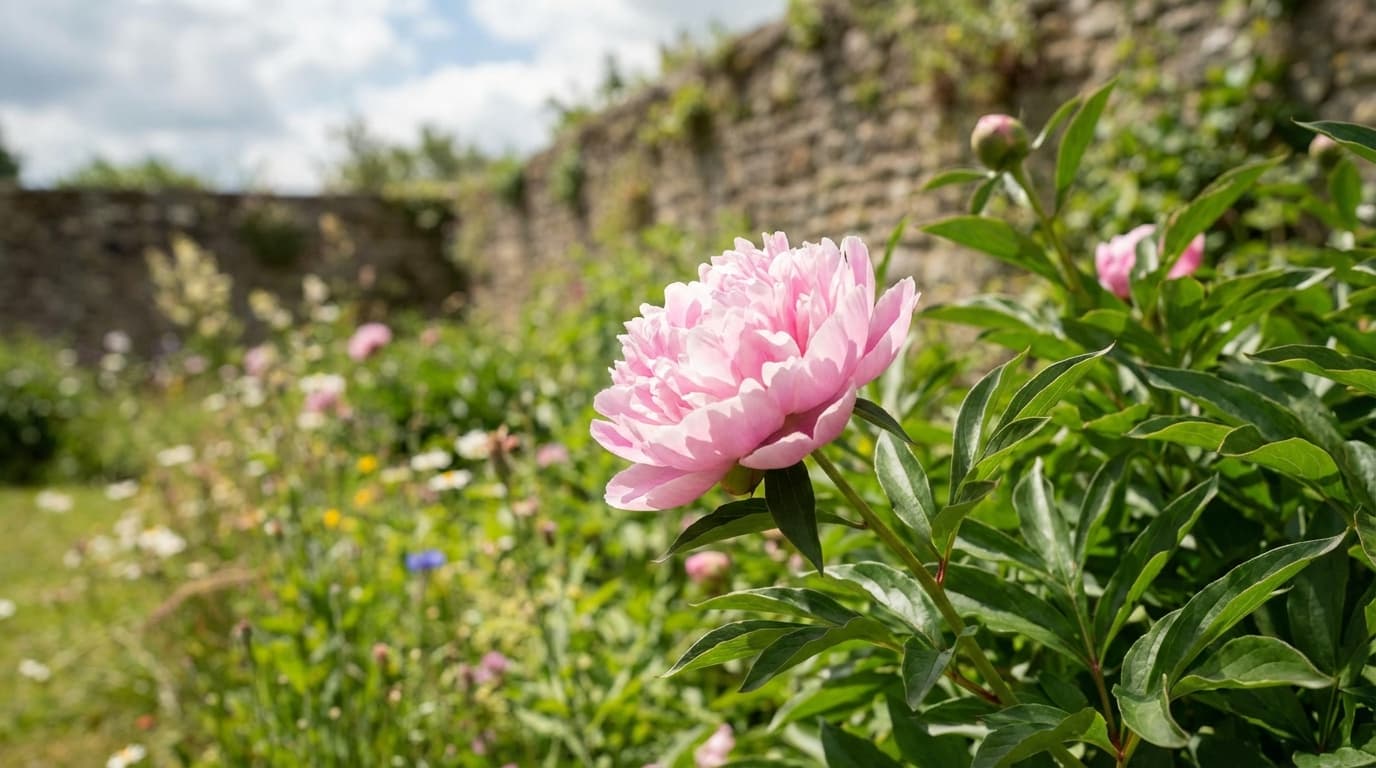
Chinese peony (Paeonia lactiflora), also known in traditional Chinese medicine as "Bai Shao", has been used for more than 1,200 years. The root of this beautiful plant was a cornerstone of classical Chinese formulas, often combined with other herbs in balanced blends.
In the Chinese medical tradition, peony was regarded as a "yin-strengthening" herb: it was used to promote calm, balance and harmony in the body.
From East to West
Today peony is the subject of modern scientific research. Studies have examined the plant’s bioactive components, including paeoniflorin and other glycoside compounds that may influence the neurotransmitter system.
Research on peony focuses on how these natural substances may support the functioning of the nervous system and contribute to a feeling of calm and wellbeing*.
How does peony work?
Peony root contains a range of bioactive compounds, of which paeoniflorin is the most studied. In preclinical studies this compound has shown interesting properties:
Modulation of neurotransmitters
Research suggests that peony may influence the GABA system (gamma-aminobutyric acid), the body’s main inhibitory neurotransmitter. GABA plays a central role in regulating nerve signals and promoting calm in the central nervous system.
Support for the HPA axis
Some studies have examined peony’s possible influence on the hypothalamic-pituitary-adrenal axis (HPA axis), the body’s main stress response system. A balanced HPA axis is important for coping with everyday stressors.
Antioxidant properties
Peony also contains natural antioxidants that may help protect nerve cells from oxidative stress, a process that can impair normal cell function.
Peony in EaseFormula™
In EaseFormula™ we use 75 mg of standardised peony extract per daily dose. This extract has been carefully chosen for a consistent content of active components, from dose to dose.
Quality and standardisation
Our peony comes from controlled cultivation and goes through strict quality controls. We standardise the extract for a consistent content of the key components, especially paeoniflorin.
The combination makes the difference
Peony doesn’t stand alone in EaseFormula™. We have combined it with magnesium, vitamin B6 and vitamin B12, which all contribute to normal functioning of the nervous system¹, and other essential nutrients. This approach gives you broad support for different aspects of a healthy nervous system.
Who is peony suitable for?
Peony can be a valuable addition for you if you:
- are going through periods of more stress or pressure
- want natural support for your nervous system
- value ingredients with a long tradition
- are looking for an alternative to synthetic solutions
- want to combine modern science with traditional knowledge
Good to know: a food supplement is not a substitute for a varied diet or a healthy lifestyle. Peony is meant to complement, not replace, good habits such as enough sleep, a balanced diet and regular exercise.
Safety and precautions
Peony has long been used safely, but as with all food supplements it’s important to take care:
- Pregnant and breastfeeding women should consult a doctor before use
- If you take prescription medication, discuss possible interactions with a doctor
- Do not exceed the recommended daily dose
- Children under 18 should not use the product
- Store the product in a dry, dark place out of the reach of children
References
- Zhong X, et al. The therapeutic effects of paeoniflorin in depression and anxiety. Phytotherapy Research. 2021 pubmed.ncbi.nlm.nih.gov/34145656/
- Zhang L, et al. Paeoniflorin: A Review of Its Mechanisms and Pharmaceutical Applications. Frontiers in Pharmacology. 2019 pubmed.ncbi.nlm.nih.gov/31191310/
- Qiu Y, et al. Paeoniflorin protects cortical neurons from beta-amyloid-induced neurotoxicity. Journal of Ethnopharmacology. 2015 pubmed.ncbi.nlm.nih.gov/25542386/
- Wang W, et al. The anxiolytic effect of paeoniflorin and its mechanism. Phytomedicine. 2018 pubmed.ncbi.nlm.nih.gov/30466972/
* Traditional use, not assessed by EFSA. ¹ Authorised health claims under Regulation (EU) No 432/2012 as retained in GB law.